Heat Pumps in a Central Washington Winter: What Hyper-Heating and Hot-Start Mean
Cold weather is the real test for any heat pump, so it helps to know what the feature names are actually promising.
October 6, 2026 · 4 min read
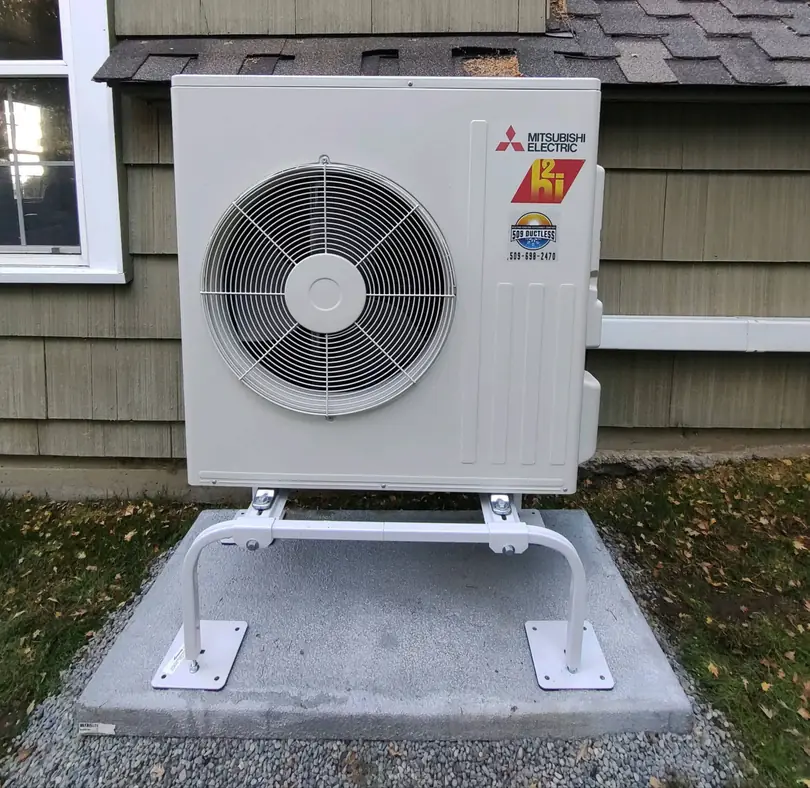
Winters in the Yakima Valley are cold enough that homeowners ask a fair question before switching to a heat pump: will it actually keep us warm in January? The answer depends on the equipment, how it is sized and where it is installed. The marketing names on the box matter, but only if you know what they mean. This is a plain-language walk through the ones you will hear most.
How a heat pump heats at all
A heat pump does not make heat by burning fuel or heating an element. It moves heat. In summer it pulls heat out of your indoor air and sends it outside. In winter it runs the other way, pulling heat out of the outdoor air and delivering it inside. That works because even cold outdoor air still contains heat that a refrigerant cycle can collect.
A ductless heat pump uses the same idea with one outdoor unit and one or more indoor heads connected by electrical wires and copper tubing. The same equipment heats and cools, which is why a properly sized system can replace separate heating and cooling setups in the spaces it serves.
The colder it gets outside, the less heat is easy to collect, and a heat pump has to work harder to deliver the same warmth indoors. Older and basic models lose output as the temperature falls, which is where the reputation that heat pumps do not work in the cold came from. Cold-climate equipment is designed to keep delivering heat when winter is at its worst, and that is the category that matters for Central Washington.
What Hyper-Heating INVERTER means
Mitsubishi Electric is the primary line we carry, and its Hyper-Heating INVERTER technology, or H2i, is built around a stronger compressor system designed to provide home heat even in temperatures below freezing. The word inverter refers to how the compressor runs. Instead of switching fully on and off, an inverter compressor adjusts its speed to match what the room needs. In practice that usually means steadier temperatures, fewer hard starts and quieter operation than a system that cycles on and off.
We do not quote specific output numbers in a blog post, because they depend on the exact model and on your home. What we can tell you is that the model, the size and the placement should be chosen for your building, and that is a conversation to have with us in person.
What Hot-Start means for how it feels
Our service page describes ductless heating as having instant Hot-Start technology. In daily use, the point is warm air arriving quickly. Some heating systems blow cool or lukewarm air at the start of a cycle, and anyone who has stood in front of a vent waiting for warmth knows how that feels. Hot-Start is aimed at shortening that wait, so you feel heat sooner after the system starts.
It pairs well with the app. Mitsubishi Electric's Kumo Cloud app lets you manage your heating and cooling from anywhere, which means you can bring a room up to temperature before you walk in the door.
Things you will notice in winter
- Defrost cycles. When frost builds up on the outdoor coil, the system briefly clears it. You may see a little steam from the outdoor unit and a short pause in indoor heating. That is normal.
- Outdoor unit placement. A unit on a stand or a wall bracket stays out of drifted snow better than one sitting at ground level.
- Clear space. Keep snow, ice and debris from piling against or over the outdoor unit so air can move through it.
- Steady settings. A heat pump likes to hold a temperature. Large daily swings can make it work harder than it needs to.
Our position is that with a ductless heating system, you should not need a separate secondary heating or cooling system through the year, provided the system is sized and placed correctly. That is why we want to see your floor plan and ask about your windows, insulation and which rooms you use before recommending anything. A few spaces, such as an old shop or a drafty addition, may deserve special attention.
Questions to ask about any heat pump
- Is this model made for cold climates, and what does the manufacturer say about its performance in freezing weather?
- How was the size chosen for my rooms?
- Where will the outdoor unit sit, and how will it handle snow and ice?
- What will yearly maintenance involve?
- Are there incentives from my utility, and what financing options are available?
Utility companies sometimes offer incentives and rebates for ductless heating, so it is worth asking before you decide. We would rather you confirm the current details directly than rely on a number from a blog.
Talk through your house
If you want to know how a ductless heat pump would handle winter in your home, call us at (509) 698-2470 or visit the Selah showroom at 311 S 1st St, open Monday through Friday from 9am to 5pm and closed from 12 to 1 for lunch.
509 Ductless, (509) 698-2470
Call (509) 698-2470More articles
Ductless or Central Air? How to Decide for a Yakima Valley Home
The right system depends less on the brand and more on what is already inside your walls and how you live in each room.
What a Proper Mini Split Cleaning Looks Like, and Why Once a Year
Most owners never see inside their indoor head, which is exactly why dirt can build up there for years.